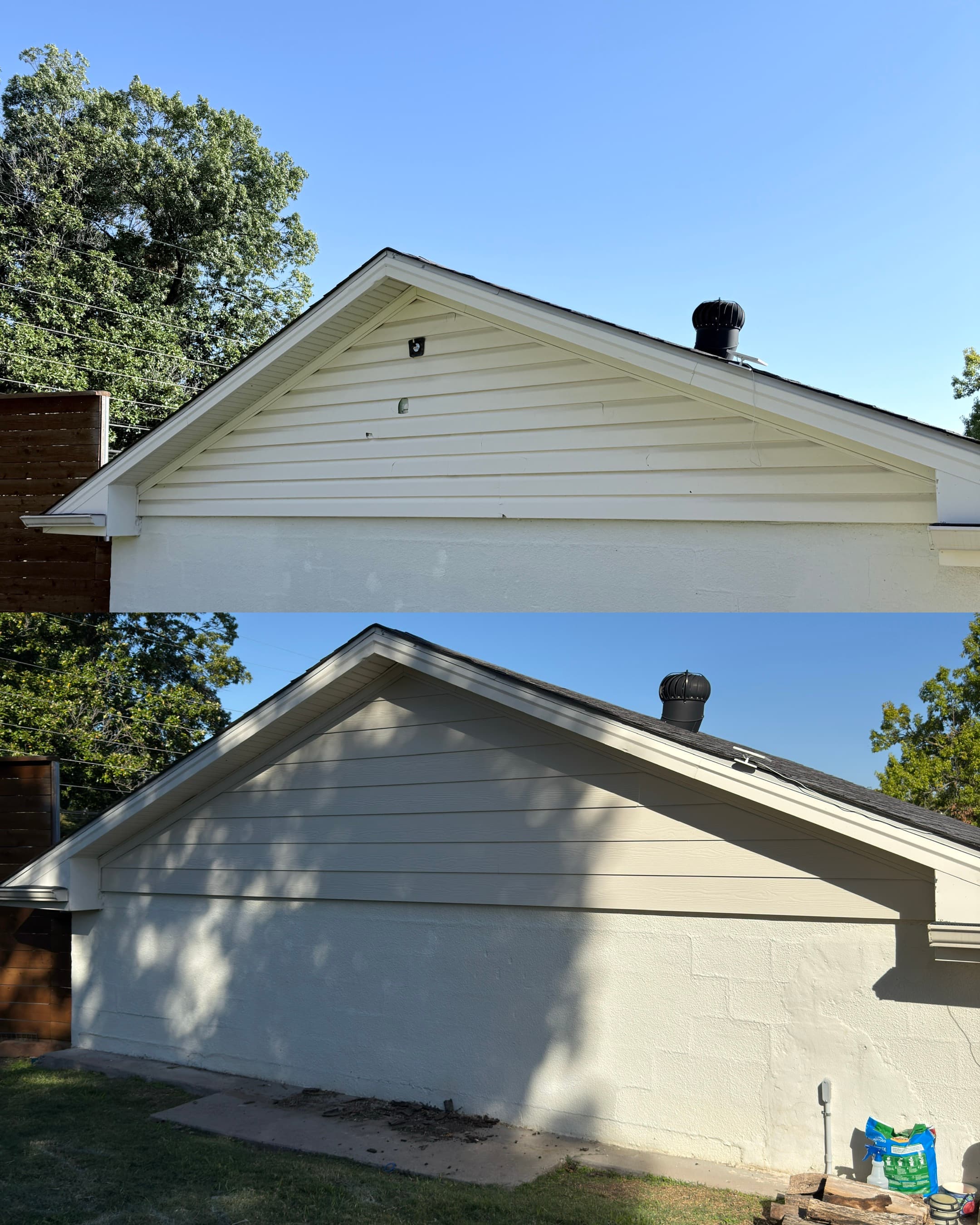
Can you replace just a section of siding?
**Quick answer:** Yes, you can replace just a section of siding when damage is localized and the surrounding siding is in good condition. Whether partial replacement is the right approach depends on the extent of damage, siding type, age, and availability of matching materials.
Understanding when section replacement makes sense versus when full replacement is more practical helps Dallas homeowners make informed decisions and avoid unnecessary costs.
When you CAN replace just a section
Partial siding replacement is often the most cost-effective solution when certain conditions are met:
**Small, localized damage:** If damage is confined to a specific area (typically under 10-15 square feet or affecting just one wall), section replacement usually works well. This is common after storm damage, impacts, or isolated moisture issues.
**Matching materials available:** The siding style, color, and profile must still be available from manufacturers or suppliers. Recent installations (within 10-15 years) typically have better material availability. Bring a sample piece to suppliers to verify matching is possible.
**Surrounding siding in good condition:** The areas adjacent to the damage should be structurally sound with no signs of deterioration, warping, or moisture damage. If surrounding sections are failing, they'll likely need attention soon anyway.
**No underlying structural issues:** The damage should be surface-level only. If moisture has penetrated behind the siding and caused rot or framing damage, those issues need to be addressed regardless of whether you repair or replace.
**Recent installation:** Siding installed within the last 10-15 years is more likely to match successfully. Newer materials weather less and manufacturers are more likely to still produce the same profiles and colors.
When full replacement makes more sense
There are clear situations where attempting partial repairs becomes impractical or uneconomical:
**Extensive damage across multiple walls:** If damage affects 40% or more of your home's exterior, or if multiple walls need work, the cost of sectional repairs approaches the cost of full replacement. At that point, full replacement delivers better long-term value.
**Discontinued siding style or color:** If your siding was installed 20+ years ago, the exact style, color, or profile may no longer be manufactured. Even if you find close matches, weathering differences will make the repair visible. This creates a patched appearance that affects curb appeal.
**Age over 20 years with general wear:** Older siding that's showing widespread signs of age (fading, brittleness, or minor damage in multiple areas) indicates the entire exterior is nearing the end of its service life. Repairing one section while the rest continues to deteriorate means you'll face additional repairs soon.
**Hidden moisture damage behind multiple areas:** If inspection reveals moisture has penetrated in multiple locations, this suggests a system-wide problem with flashing, moisture barriers, or installation methods. Partial repairs won't solve the underlying issues.
**Cost approaching 40-50% of full replacement:** When repair estimates reach nearly half the cost of complete replacement, full replacement becomes the smarter investment. You get entirely new materials with a warranty and avoid future repairs to aging sections.
Cost considerations: partial vs full replacement
Understanding the economics helps determine the best approach:
**Partial replacement costs in Dallas:** - Small sections (5-10 sq ft): $500-$1,200 - Medium sections (10-20 sq ft): $1,200-$2,500 - Large sections (one full wall): $2,500-$5,000
These costs include materials, labor for removal and installation, proper flashing and sealing, and efforts to blend with existing siding.
**Full house siding replacement:** - Average Dallas home (1,500-2,000 sq ft): $8,000-$15,000 - Larger homes (2,500-3,500 sq ft): $15,000-$25,000+ - Costs vary based on material type (vinyl, fiber cement, wood), complexity of installation, and number of stories.
**Economic decision points:** - If repair costs less than 25% of full replacement: Repair is usually the clear choice - If repair costs 25-40% of replacement: Depends on siding age and condition - If repair costs over 40% of replacement: Full replacement typically makes more sense - Factor in: How long will the repaired section last? Will other areas need repair soon?
Matching existing siding in Dallas
Successfully matching siding requires attention to several factors:
**Material sourcing:** Bring a sample piece to local suppliers. They can help identify the manufacturer, style, and color. If the original manufacturer still produces the line, matching is straightforward. If not, they may recommend close alternatives.
**Color matching challenges:** Even with exact material matches, weathering creates color differences between old and new siding. Dallas sun exposure causes significant fading over time. New pieces will look brighter initially but will weather to match within 6-12 months.
**Professional blending techniques:** Experienced contractors use several methods to minimize visible transitions: - Strategic placement of new pieces (corners, less-visible areas) - Proper overlap and seam placement to hide transitions - Correct spacing and alignment to match existing patterns - Touch-up painting on certain materials to blend colors
**When perfect matching isn't possible:** If exact matches aren't available, consider these alternatives: - Replace entire visible elevations (one complete wall) for uniform appearance - Choose complementary colors that create intentional contrast - Plan for future full replacement and accept the repair as a temporary solution
The assessment process for section replacement
A proper evaluation determines the best approach:
**Step 1: Inspect damage extent** We examine not just the visible damage but surrounding areas. Damage that appears isolated sometimes indicates broader issues. The assessment identifies all affected areas before making recommendations.
**Step 2: Check behind siding for hidden issues** Moisture damage, rot, or structural problems behind siding must be identified and addressed. Installing new siding over hidden problems will cause premature failure of the repair.
**Step 3: Verify material availability** We confirm whether matching materials can be sourced. This includes checking with original manufacturers, local suppliers, and specialty distributors. We show you samples before proceeding.
**Step 4: Compare repair vs replacement costs** We provide clear cost comparisons for both approaches. This includes itemized pricing so you can see exactly what you're paying for and make an informed decision.
**Step 5: Provide honest recommendations** Our recommendations are based on condition, longevity, and value, not what generates the highest invoice. Sometimes repair makes sense. Sometimes replacement is the smarter long-term choice. We explain both options clearly.
How Exterior Restoration handles partial siding replacement
Our approach ensures section replacements blend seamlessly and last:
**Free assessment:** We evaluate damage extent, check for underlying issues, and verify material availability before providing recommendations.
**Material sourcing:** We work with multiple suppliers to find the best matches. If exact matches aren't available, we discuss alternatives and show you samples.
**Proper installation methods:** We remove damaged sections carefully to avoid affecting surrounding areas, install proper moisture barriers and flashing, ensure correct fastening and spacing, and blend new materials with existing siding.
**Quality materials:** We use materials built for Dallas weather: heat, humidity, and storms. Proper materials and installation methods prevent premature failure.
**Clear communication:** You'll know exactly what we're doing, why we're doing it, and what to expect. No surprises, no hidden costs.
Common mistakes to avoid with partial siding replacement
Understanding these pitfalls helps ensure successful repairs:
**Attempting DIY on complex repairs:** While small patches might seem manageable, proper installation requires knowledge of moisture management, flashing techniques, and fastening methods. Incorrect installation causes leaks and premature failure.
**Not addressing underlying moisture issues:** Installing new siding over rotted sheathing or deteriorated moisture barriers doesn't solve the problem. The new siding will fail as quickly as the old material.
**Accepting poor color matches:** If matching isn't possible, don't accept a patch job that looks obviously different. Either replace entire visible sections for uniform appearance or plan for future complete replacement.
**Ignoring warranty implications:** Some siding warranties become void if repairs aren't performed by certified installers or if non-matching materials are used. Check warranty terms before proceeding.
**Delaying necessary full replacement:** If partial repairs are approaching half the cost of full replacement, or if multiple areas need work, full replacement is usually the better investment.
Dallas-specific considerations
Our climate creates unique challenges for siding repairs:
**Heat and UV exposure:** Dallas sun is intense. New siding will weather and fade differently than existing materials. This is normal and unavoidable, but it affects appearance during the transition period.
**Moisture and humidity:** Even though Dallas is relatively dry, we experience humid periods and sudden storms. Proper moisture barriers and flashing are critical for both repairs and full installations.
**Temperature swings:** Seasonal temperature changes cause expansion and contraction. Proper spacing and fastening methods accommodate this movement and prevent cracking or buckling.
**Storm damage patterns:** Hail and wind damage in Dallas often affects specific elevations (typically south and west-facing walls). If storm damage is the cause, your insurance may cover repairs. We can work with insurance adjusters to document damage.
Making the right decision for your home
Consider these factors when deciding between partial repair and full replacement:
**How long do you plan to stay in the home?** If you're selling within 1-2 years, repairs might be sufficient to improve appearance and address disclosure requirements. If you're staying 5-10+ years, consider what provides the best long-term value.
**What's the age and overall condition of your siding?** Siding under 15 years old with isolated damage is usually worth repairing. Siding over 20 years old with general wear may be nearing replacement regardless.
**Are energy bills increasing?** Rising heating and cooling costs often indicate failing siding isn't insulating properly. This suggests system-wide issues that repairs won't fully address.
**What's your budget vs. long-term goals?** Repairs are less expensive initially but may require additional work within a few years. Replacement costs more upfront but provides decades of protection with minimal maintenance.
Schedule a free siding assessment in Dallas
Not sure whether partial replacement or full siding replacement is right for your Dallas home? We provide free assessments where we evaluate damage, check for hidden issues, verify material availability, and give you honest recommendations for both repair and replacement options.
You'll get clear pricing for both approaches so you can make an informed decision based on your home's condition, your budget, and your long-term plans.
Licensed and insured. Serving Dallas and surrounding areas. No pressure, just honest answers about what your home needs.